

Confédération Suisse, officially known as the Swiss Confederation (in French: Confédération suisse, German: Schweizerische Eidgenossenschaft, Italian: Confederazione Svizzera, Romansh: Confederaziun svizra, Latin: Confoederatio Helvetica or CH), is a landlocked federal republic in the heart of Europe. Confédération Suisse Diploma Design, Situated at the crossroads of Central, Western, and Southern Europe, it borders Germany, France, Italy, Austria, and Liechtenstein. Renowned for its stunning Alpine landscapes, political stability, neutrality, and high quality of life, Switzerland exemplifies a unique blend of direct democracy, federalism, and multilingual harmony.
The nation’s origins trace back to August 1, 1291, when the cantons of Uri, Schwyz, and Unterwalden signed the Federal Charter (Rütlischwur), forming a defensive alliance against Habsburg rule. This pact marked the birth of the Old Swiss Confederacy, which gradually expanded over centuries through alliances and conquests. Independence from the Holy Roman Empire was secured in 1499, and neutrality was internationally recognized in 1815 after the Napoleonic era. The modern federal state emerged in 1848 following a brief civil war (Sonderbund War), with the adoption of a federal constitution that transformed the loose confederation into a centralized yet decentralized federal republic. The current constitution, fully revised in 1999 (effective 2000), preserves core principles of federalism, direct democracy, and consociational governance.
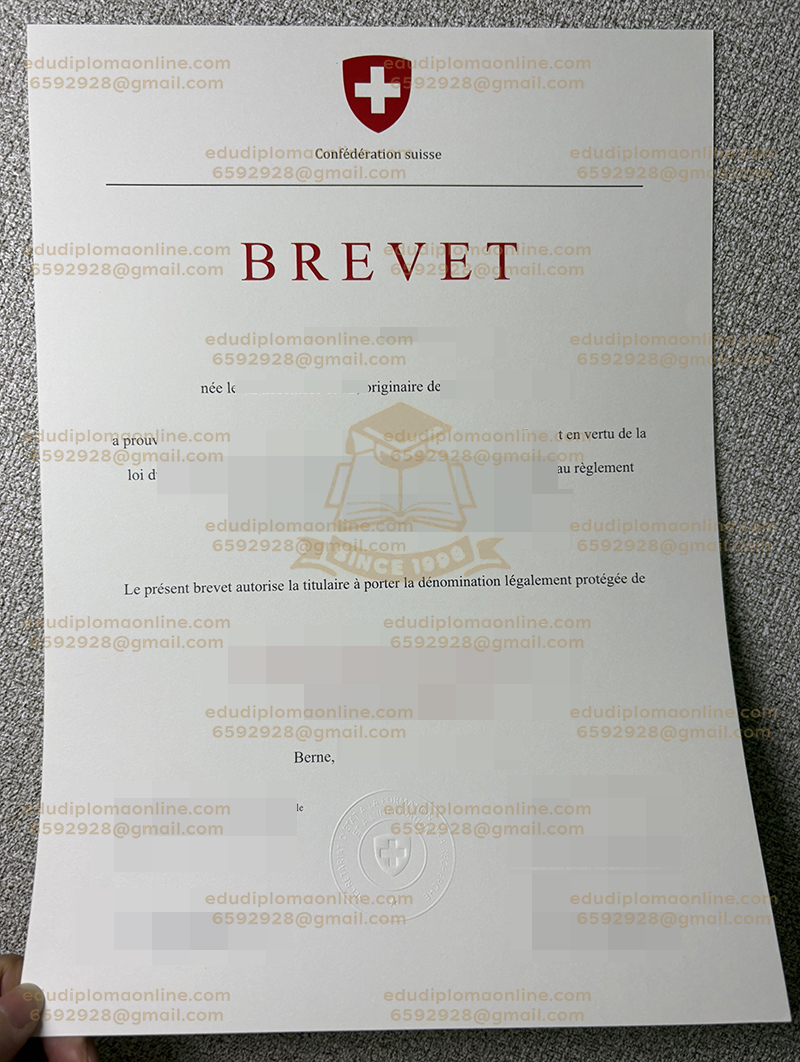
How Is The Confédération Suisse Diploma Design Looks Like?
Switzerland comprises 26 cantons (20 full and 6 half-cantons), each retaining significant sovereignty in areas like education, taxation, and policing. Power is shared across three levels: the Confederation (federal), cantons, and over 2,100 communes. The Federal Assembly (bicameral parliament: National Council and Council of States) legislates, while the unique Federal Council—a seven-member collegial executive elected by parliament—serves as collective head of state and government. The presidency rotates annually among members, with no single dominant leader. Direct democracy shines through frequent referendums and popular initiatives, allowing citizens to shape policy directly.
With a population of approximately 9.05 million (as of early 2025, projected to reach 10.5 million by 2055 mainly via immigration), Switzerland boasts four national languages: German (about 62%), French (23%), Italian (8%), and Romansh (0.5%). Its economy thrives on banking, pharmaceuticals, precision manufacturing, tourism, and innovation, ranking among the world’s wealthiest per capita.